Note: Although Taiwan is not formally recognized as a signatory to the ICCPR or ICERD due to its unique status with the UN, it has committed to abide by many of the UN’s civil rights frameworks, and we will be holding Taiwan accountable to these standards.
Taiwan has long relied on migrant workers, particularly from Southeast Asia, to support its industries, from manufacturing to domestic care. However, despite their essential contributions to Taiwan’s economy, these workers face significant discrimination and unequal treatment compared to other foreign workers. Migrant workers are treated differently based on their national origin and economic status, which violates international human rights principles. This project highlights these injustices and calls for Taiwan to align its practices with international standards.
Discrimination and Legal Inequality
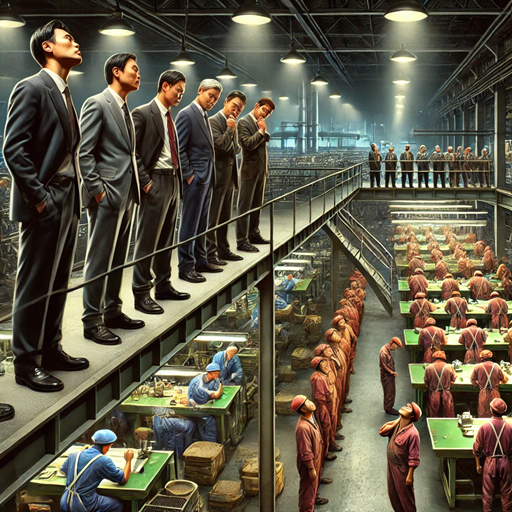
Migrant workers in Taiwan are legally and socially discriminated against, often treated as second-class workers compared to white-collar foreign employees. For instance, during the COVID-19 pandemic, many migrant workers were subjected to far stricter lockdown measures than their Taiwanese counterparts, particularly in sectors like electronics and manufacturing. Workers were confined to their dormitories, allowed only to travel to and from their workplace, while Taiwanese workers in the same factories were not subjected to these restrictions. This disparity highlights the systemic discrimination that migrant workers face based on their national origin and economic status, violating their right to equal treatment under Article 26 of the ICCPR, which ensures equality before the law without discrimination.
Another significant issue is the legal and labor framework that applies differently to migrant workers. While other foreign workers, such as white-collar professionals, are granted more rights and flexibility, blue-collar migrant workers are subject to stricter rules under the brokerage system, where they often pay exorbitant recruitment fees, fall into debt bondage, and have their passports confiscated. These practices align with forms of modern-day slavery, violating international human rights standards such as those found in Article 5 of the ICERD, which guarantees the right to equal treatment in employment without discrimination.
Exclusion from Taiwan’s Labor Standards Act
Migrant workers, particularly those in domestic care, are often excluded from the protections afforded under Taiwan’s Labor Standards Act. This exclusion means that many migrant workers are denied the right to fair wages, reasonable working hours, and paid sick or maternity leave—rights that are enshrined in Article 7 of the ICCPR, which calls for just and favorable conditions of work. This legal framework allows for the exploitation of workers who are primarily women and are often placed in 24-hour care roles without adequate compensation or protection from labor violations.
Moreover, the lack of legal representation and access to interpreters compounds the difficulty migrant workers face when trying to report abuses. For many, language barriers prevent them from seeking help or justice when their rights are violated, further exacerbating their vulnerable status and breaching their right to equal protection under Article 5 of the ICERD.
Discrimination in Media and Society
Migrant workers in Taiwan are often portrayed negatively in the media, which reinforces societal biases and discrimination. Studies have shown that migrant workers are frequently vilified in news reports, further entrenching their marginalized status. This violates the Universal Declaration of Human Rights (UDHR), which upholds the right to dignity and equality for all individuals regardless of their nationality or occupation. The portrayal of migrant workers as less deserving of rights fosters an environment where discrimination is normalized, contributing to their exclusion from full participation in society.
Proposed Resolutions
Taiwan must take concrete steps to address the rights violations that migrant workers experience and align its policies with international standards such as the ICCPR, ICERD, and UDHR. Some key areas of reform include:
- Inclusion of Migrant Workers under Taiwan’s Labor Standards Act: One of the most pressing reforms is to extend the full protections of Taiwan’s Labor Standards Act to all migrant workers. This would ensure fair wages, reasonable working hours, and the right to paid leave, particularly for domestic care workers and others in informal sectors. These changes would help Taiwan comply with the principles set forth in Article 7 of the ICCPR and the UDHR.
- Abolishing the Exploitative Brokerage System: Taiwan must abolish the brokerage system, which subjects workers to exploitation through debt bondage, recruitment fees, and lack of freedom to change employers. Replacing this system with a government-managed or direct-hiring model would reduce opportunities for exploitation and align Taiwan with the anti-discrimination provisions of Article 5 of the ICERD.
- Equal Access to Legal and Public Services: Migrant workers should be afforded the same rights as other foreigners when it comes to accessing legal and public services. This includes providing adequate interpretation services in police stations and other government offices to ensure that migrant workers can report abuses and seek legal protection without language barriers. These changes would help Taiwan meet its obligations under Article 26 of the ICCPR, which guarantees equality before the law.
- Cultural Integration and Public Awareness: Taiwan should invest in programs that promote the integration of migrant workers into society. These efforts would include public education campaigns to reduce stigmatization and promote understanding of the critical role that migrant workers play in Taiwan’s economy. By fostering a more inclusive society, Taiwan can address the systemic discrimination that migrant workers face and uphold the dignity and equality guaranteed under the UDHR.
By adopting these reforms, Taiwan can take significant steps toward ensuring that all individuals, regardless of their nationality or economic status, are treated with dignity and fairness. Taiwan’s commitment to international civil rights standards will serve as a model for other nations facing similar challenges.