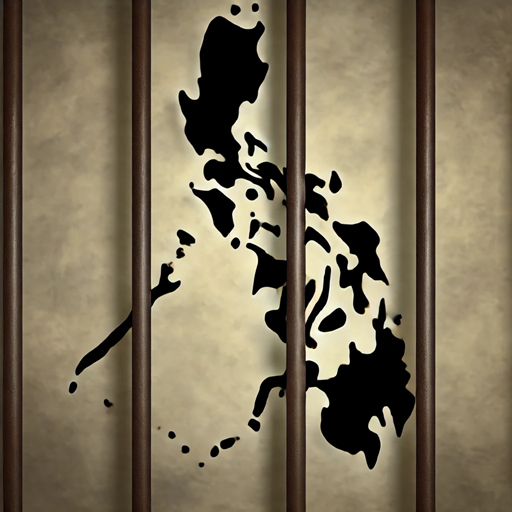
In the Philippines, a policy designed to combat human trafficking has led to a disturbing trend known as offloading, where thousands of citizens are barred from leaving the country due to excessive scrutiny by immigration officers. While preventing human trafficking is critical, the implementation of this policy has raised serious civil rights concerns, especially since only 1.4% of the offloaded passengers are actual victims of trafficking or illegal recruitment. The remaining 98.6% of travelers are subjected to unnecessary interrogations and denied the right to travel freely, raising significant concerns about the abuse of government authority and the violation of fundamental rights.
The Scope of the Problem
In 2022, over 32,000 Filipinos were offloaded from their flights, with only 472 being identified as trafficking victims. These travelers, many of whom were simply vacationers or visiting loved ones abroad, were subjected to prolonged interviews, excessive demands for documentation, and, in many cases, missed their flights. The Bureau of Immigration (BI) justifies this policy as part of its commitment to combat human trafficking, yet the overwhelming majority of those offloaded are not involved in any illegal activity.
One notable case involved Cham Tanteras, a traveler who was offloaded from her flight after being asked for irrelevant documents, such as her yearbook and graduation photos. Despite having valid travel documents, the prolonged questioning caused her to miss her flight, sparking widespread criticism of the BI’s practices. This incident highlights the arbitrary nature of the offloading process and the lack of accountability within the system.
Violations of Civil Rights
The offloading policy raises serious concerns about the violation of civil liberties, particularly in relation to international agreements that the Philippines is a party to, such as the International Covenant on Civil and Political Rights (ICCPR) and the Universal Declaration of Human Rights (UDHR).
- Freedom of Movement:
- Article 12 of the ICCPR guarantees the right to leave any country, including one’s own. Similarly, Article 13 of the UDHR protects the right to freedom of movement. The offloading policy, which indiscriminately prevents Filipinos from traveling based on suspicions alone, directly infringes upon these fundamental rights.
- Due Process and Arbitrary Detention:
- Offloading is often carried out without clear justification, leaving travelers with no formal mechanism to appeal the decision. This lack of due process violates Article 9 of the ICCPR, which protects individuals from arbitrary detention and ensures their right to be treated fairly by the law. In many cases, passengers are offloaded based on arbitrary criteria, such as insufficient proof of financial capacity or relationship status, even if they have presented all the necessary documents.
- Discriminatory Practices:
- The offloading policy disproportionately affects lower-income Filipinos, who may not have the resources to meet the extensive demands for documentation. Wealthier travelers, on the other hand, are more likely to pass through immigration smoothly. This economic discrimination violates the principle of equality before the law, as outlined in Article 26 of the ICCPR.
The Effect on Women: Invasive and Discriminatory
Women are particularly vulnerable to the invasive nature of offloading practices, especially those traveling to meet foreign partners. Women in these situations are often required to present a Commission on Filipino Overseas (CFO) certificate, which involves attending mandatory counseling sessions. However, even with this certificate, women are scrutinized more heavily than men. In many cases, immigration officers have demanded that women hand over their phones so that their private message history with their partner can be read.
This practice is not only humiliating but also represents a grave violation of privacy. The right to privacy is protected under both the UDHR (Article 12) and the ICCPR (Article 17), which prohibit unlawful or arbitrary interference with an individual’s personal correspondence. Forcing women to expose their intimate conversations to government authorities is a clear violation of this right.
Moreover, this type of gender-based discrimination reinforces harmful stereotypes that women traveling abroad to meet partners are more likely to be involved in trafficking or illegal activities. This bias not only violates the principle of equality under the law but also perpetuates a culture of distrust and suspicion toward women, further limiting their freedom to travel.
International Standards and Best Practices
While preventing human trafficking is a legitimate concern, the Philippine government’s approach raises questions about its proportionality and effectiveness. The UN Protocol to Prevent, Suppress and Punish Trafficking in Persons emphasizes that anti-trafficking measures should be targeted, evidence-based, and non-intrusive. Blanket restrictions that disproportionately affect innocent travelers do not align with international best practices for combating trafficking.
Other countries focus on intelligence-led operations and partnerships with destination countries to identify potential trafficking victims, rather than relying on arbitrary and invasive screening methods at the border. By adopting more targeted measures, the Philippines could more effectively combat trafficking while also respecting the rights of its citizens.
Additional Consideration
While offloading policy is officially framed as an anti-trafficking measure, the policy may also serve other unspoken purposes. It has been reported to RAN that offloading is not only targeting potential trafficking victims but also individuals who may be working abroad illegally or avoiding OFW taxes. Additionally, the government may be concerned about travelers becoming financial liabilities for embassies if they lack sufficient resources. Though these motives are not publicly acknowledged or confirmed, they suggest that the policy could be as much about controlling economic and diplomatic burdens as it is about protecting citizens.
Conclusion
The offloading policy in the Philippines is a clear violation of fundamental civil rights, including the right to freedom of movement, due process, and privacy. The disproportionate targeting of women and lower-income travelers only exacerbates these violations. While the fight against human trafficking is crucial, the current policy harms more innocent people than it helps.
We call on the Philippine government to re-evaluate the offloading policy and adopt more effective, evidence-based measures to prevent trafficking without infringing on the rights of its citizens. It is time for the Bureau of Immigration to be held accountable for the arbitrary and invasive practices that are causing thousands of Filipinos to miss their flights and be denied their right to travel freely.